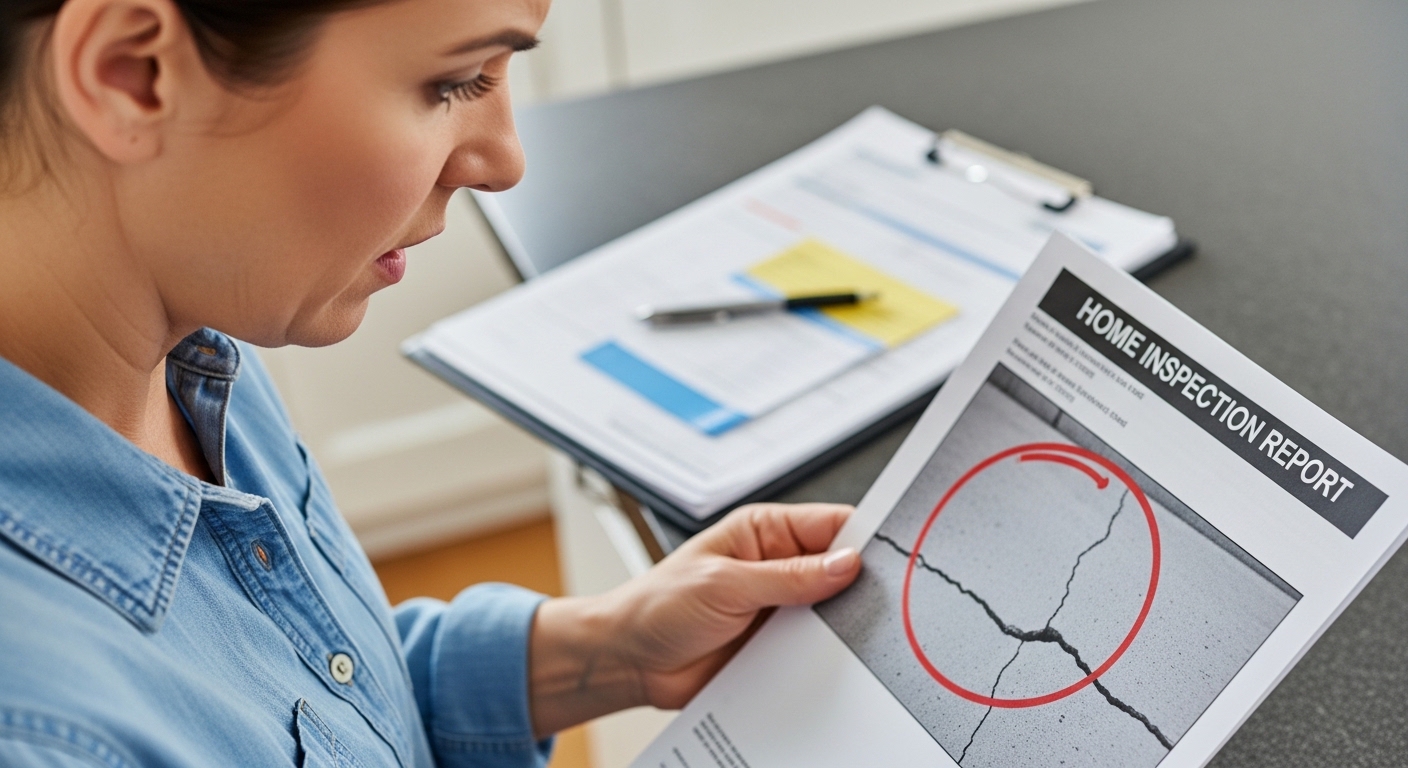
When people talk about buying a home, they often get stuck on one idea: you need to save up 20 percent for a down payment. That figure has become so ingrained in the homebuying narrative that many potential buyers never even look into alternatives. I've worked with countless clients in the Jasper area who thought homeownership was out of reach because they couldn't scrape together that massive lump sum. But the reality is far different from this outdated assumption.
The truth is, there are legitimate loan programs available right now that allow qualified buyers to purchase a home with little to zero money down. These aren't too-good-to-be-true schemes or predatory lending products. They're government-backed programs designed with a specific purpose: to make homeownership accessible to more people. Let me walk you through the options so you can see if one might work for your situation.
VA Loans: The Gold Standard for Veterans
If you've served in the military, you can buy a house with no down payment if you qualify for a VA loan. VA loans don't need a down payment and do not require private mortgage insurance, though a VA funding fee applies, but it can be rolled into the loan. The VA waives the fee for disabled veterans.
What makes VA loans particularly powerful is their flexibility. VA loans do not have income caps like USDA loans, and your income can be as high as you qualify for, as long as the payment fits comfortably within your overall financial picture. VA loan limits are currently set to $2 million for 100% financing, which gives you substantial borrowing power.
I've helped several Jasper-area veterans take advantage of these benefits. The combination of zero down, no mortgage insurance, and flexible underwriting makes VA loans an outstanding option if you're eligible. The key is connecting with a lender who understands the program thoroughly, because some lenders are more experienced with VA loans than others.
USDA Loans for Rural and Suburban Areas
The U.S. Department of Agriculture backs several no-money-down mortgages to help support revitalization in rural communities. If you're thinking about buying in or around Jasper, there's a good chance your target property might qualify for a USDA loan.
No down payment is required with USDA loans, and they offer low mortgage insurance compared to other programs. However, there are some restrictions to be aware of. Household income must generally be below 115% of the area median, and the property must be your primary residence; investment properties aren't allowed.
The property location piece is important. The property must be in a USDA-eligible zone, which change year to year, so confirm eligibility. I always recommend checking the USDA eligibility maps with your lender first, because many buyers are surprised to learn that properties quite close to urban areas can still qualify as "rural" under the guidelines.
FHA Loans: Lower Credit Scores Welcome
FHA loans are probably the most well-known low down payment option, and with good reason. The minimum credit score to qualify for an FHA loan in 2026 is 580 to qualify for a 3.5% down payment, and borrowers with scores between 500–579 may still qualify with a 10% down payment.
While FHA isn't technically a zero-down program, 3.5 percent is genuinely minimal. FHA loans require both an up-front mortgage insurance premium of 1.75% of the loan amount and an annual MIP paid in monthly installments. This means your monthly payment will include mortgage insurance, but it's still a viable path to homeownership.
The biggest advantage of FHA loans is accessibility. Unlike VA and USDA loans, there's no military service requirement or geographic limitation. FHA loans are primarily designed for first-time homebuyers and those with lower credit scores, making them a lifeline for borrowers who might struggle to qualify for conventional financing.
Conventional 3% Down Programs
Some conventional programs allow qualified buyers to put as little as 3% down, with Fannie Mae offering 97% loan-to-value financing options and Freddie Mac's Home Possible program offering down payments as low as 3% for eligible borrowers.
These programs are designed for borrowers with reasonably solid credit. These options are ideal for buyers with strong credit scores, typically 620 or higher, who earn moderate incomes and want to minimize upfront closing costs. Conventional low down payment loans may require private mortgage insurance when you put less than 20% down, but PMI can often be removed later, and borrowers generally can request PMI cancellation when the principal balance is scheduled to reach 80% of the home's original value.
Down Payment Assistance Programs
Here's something many people don't realize: over 2,000 DPA programs offer grants up to $25,000, forgivable loans, and 0% interest options, and you can find programs in your state and buy a home with little to no money down.
Down payment assistance programs provide secondary financing to cover your upfront mortgage costs and can take the form of grants, forgivable loans, or deferred second mortgages. State and local housing finance agencies distribute localized grants to stimulate homeownership, and unlike loans, true grants never need to be repaid.
Georgia has several down payment assistance programs available. When you combine a DPA program with an FHA or conventional loan, you can drastically reduce the total amount of cash required to close the loan. The key is researching what's available specifically for your area and income level.
Gifts and Other Creative Solutions
Parents, grandparents, spouses, domestic partners, and other relatives may qualify as gift donors under many programs, and gift funds may cover the down payment, closing costs, or reserves, depending on the loan. FHA, VA, and USDA all allow 100% gift funds with a gift letter and no repayment expected.
You might also explore having the seller contribute toward your closing costs. Asking the seller to pay 3-6% of closing costs is very common in buyer's markets, and on a $350,000 home, that's $10,500-$21,000 in seller-paid closing costs.
What Doesn't Get Covered
Before you get too excited, I need to be clear about one thing: zero down doesn't mean zero costs. You'll still need to cover closing costs and other upfront expenses. Earnest money, inspection charges, moving expenses, and immediate repairs may arise before or after closing. This is where down payment assistance programs and seller concessions become especially valuable.
Finding Your Path Forward
The right loan program depends on your specific situation. The best program isn't always the one with the lowest down payment, and you also need to compare the monthly payment, mortgage insurance, program fees, property rules, loan limits and how long you expect to keep the loan.
As your real estate agent here in Jasper, I've worked with the lending community to understand which programs work best for different buyers. Some of my clients qualify for multiple options, and the decision comes down to comparing monthly payments, total costs, and long-term plans. I can help you navigate these conversations with lenders and make sure you're considering all your options.
The most important step is having an honest conversation with a knowledgeable loan officer about what you actually qualify for. Don't just assume you need 20 percent down or that homeownership is impossible right now. Connect with a lender, explore your options, and find out what's actually achievable for your situation. Then, once you know what you can afford, reach out to me on HOUSEJET so we can start searching for the right property in the Jasper area. Homeownership is more attainable than you might think, and you don't have to wait years to make it happen.